


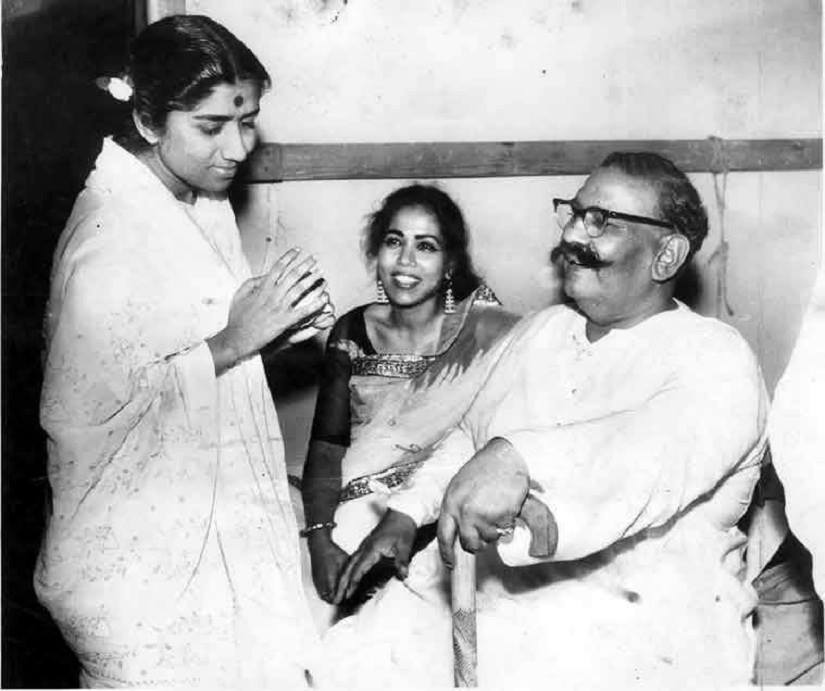
SITARA DEVI (1920–2014): NRITYA SAMRAGINI AND THE INTELLECTUAL LEGITIMATION OF KATHAK MODERNITY
Sitara Devi occupies a singular position within the twentieth-century reconstitution of Indian classical dance, embodying what may be termed aesthetic insurgency, the preservation and re-articulation of Kathak through rigorous Riyaaz, transnational dialogue, and a conscious negotiation with social orthodoxy.
Pedagogical Lineage and Cultural Resistance
Born into the tutelage of Pandit Sukhdev Maharaj, a noted Kathak exponent, Sitara Devi was inducted into a tradition that, under colonial and indigenous moral regimes, had been relegated to the peripheries of respectability. Sukhdev Maharaj’s decision to train his daughters precipitated communal ostracism and eventual exile from Calcutta, a consequence that nonetheless facilitated the institutional re-inscription of Kathak following the family’s relocation to Varanasi, where he established a formal pedagogical centre. This migratory episode is critical: it repositioned Kathak from the Kotha to the Pathshala, aligning it with nascent nationalist projects of cultural revival.
Aesthetic Epistemology and Tagorean Consecration
The 1930s performance at Atiya Begum Palace constitutes a foundational moment in her public reception. Rabindranath Tagore, accompanied by Sarojini Naidu and Sir Cowasji Jehangir, conferred upon her the epithet Nritya Samragini and offered a shawl with a citation of Rs 50. Sitara Devi’s refusal of material honour in favour of Ashirvaad articulates a conscious ethics of Parampara over patronage, positioning benediction as the higher mode of artistic validation.
Intermedial Hermeneutics: The Sahir Ludhianavi Collaboration
Sitara Devi’s practice extended into literary exegesis through her sustained engagement with the poetics of Sahir Ludhianavi (1921–1980). Her Kathak interpretation of his Devdas lyric “Aage teri marzi” represents a case study in intermedial translation; the transposition of Kavya-bhava into Angika -abhinaya. Oral histories indicate multiple consultations with Sahir to excavate the Dhvani and affective substructure of his verse, with the intent of developing a choreographic cycle based on his oeuvre. Such praxis situates her within the Sahridaya paradigm: the dancer as critical interpreter, not merely illustrator.
Somatic Autonomy and the Construction of Modernity
Biographical narratives resist hagiographic closure. Espousing a “never say die” philosophy, Sitara Devi cultivated a persona that contravened gendered expectations of her milieu: a tomboy proficient in swimming, motorcycling, and motoring, and a habitué of Paan and Beedi into her tenth decade. These practices, whilst generating familial censure, may be read as assertions of somatic sovereignty parallel to her artistic autonomy, a refusal to bifurcate the aesthetic from the quotidian.
Transnational Circulation and Posthumous Reception
Performances at the Royal Albert Hall, London, and Carnegie Hall, New York, received standing ovations, evidencing Kathak’s successful migration to the global proscenium without recourse to ethnographic exoticism. Upon her death on 25 November 2014, Pandit Birju Maharaj’s eulogy emphasised her Tapasya: “When she performed ‘Thumak chalat Ramachandra’ she would make us feel that mother Kaushalya was helping child Sri Rama taking baby steps.” The observation reframes her not as a mere technician but as Rasa-siddha, one through whom theological narrative attains corporeal immediacy.
Conclusion
Sitara Devi’s corpus warrants analysis as cultural praxis: a dialectic between Smriti and modernity, between embodied Jnana_and public morality, between regional specificity and international intelligibility. She endures as archivist of a contested tradition, interlocutor between poetry and movement, and architect of Kathak’s postcolonial modernity.
( Avtar Mota )

CHINAR SHADE by Autarmota is licensed under a Creative Commons Attribution-Noncommercial-No Derivative Works 2.5 India License.
Based on a work at http:\\autarmota.blogspot.com\.
No comments:
Post a Comment
Note: Only a member of this blog may post a comment.